Case Skid Steer Hydraulic System & Parts Guide: Diagnose, Repair, and Maintain
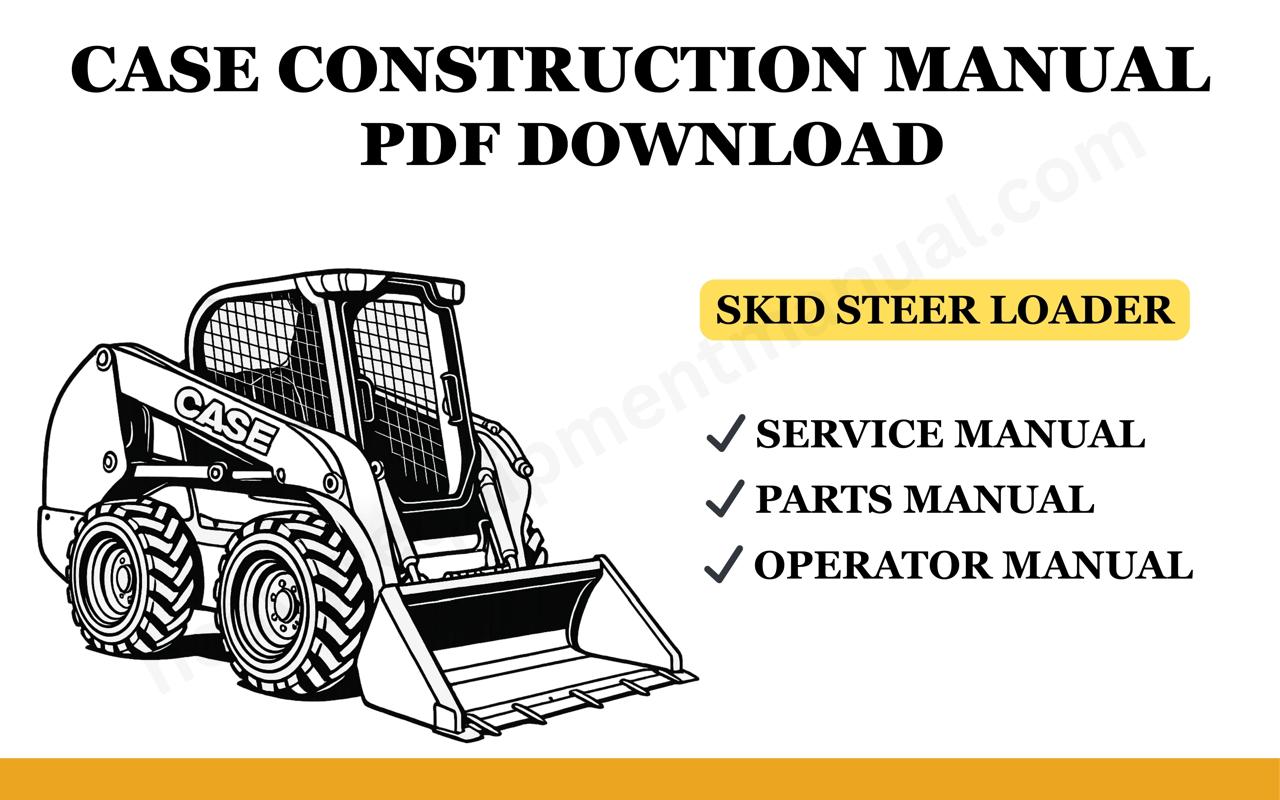
The hydraulic system is the heartbeat of any Case Skid Steer Loader. Whether you operate an SR250, 1840, 410, 420, 4130, or 1700 model, understanding the ins and outs of your loader’s hydraulics is essential to keep it running at peak performance. From sluggish lift arms to fluid leaks, hydraulic issues can halt operations and affect productivity. This guide provides a comprehensive approach to diagnosing, repairing, and maintaining Case Skid Steer hydraulic systems, complete with parts diagrams and downloadable service manuals.
For instant access to genuine manuals for your Case Skid Steer, check out the Case Skid Steer main collection.
Understanding the Hydraulic System in Case Skid Steers
Case Skid Steers rely on hydraulic systems to power their lift arms, buckets, forks, and attachments. The system typically consists of:
- Hydraulic pump
- Reservoir and fluid
- Cylinders and hoses
- Control valves
- Filters
Hydraulic pressure (usually 3,000–4,000 psi) ensures precise and powerful operation. Without proper maintenance, even small issues like contaminated fluid or worn seals can lead to jerky movement, weak lifting, or complete system failure.
Common Hydraulic System Issues
Hydraulic problems can arise due to multiple factors:
- Low or Contaminated Fluid: Dirt, water, or old fluid can reduce system pressure.
- Worn Hydraulic Pump: Pumps degrade over time, especially after 2,500+ hours of operation.
- Leaking Cylinders or Hoses: Damaged seals or hoses can cause fluid loss.
- Clogged Filters: Dirty filters restrict flow, straining the pump.
- Faulty Control Valves: Sticking or broken valves affect attachment control.
- Air in the System: Leads to spongy or jerky hydraulic responses.
- Overloading Attachments: Operating beyond capacity stresses the system.
- Improper Maintenance: Neglecting fluid or filter changes accelerates wear.
Regular inspections can prevent costly repairs and keep your machine running smoothly.
Step-by-Step Diagnosis of Hydraulic Issues
Proper diagnosis requires a systematic approach and the right tools: a pressure gauge, hydraulic flow tester, fluid analysis kit, and the Case Skid Steer service manual. Always prioritize safety: park the loader on level ground, lower attachments, and shut off the engine before starting.
Visual Inspection
- Check for leaks around the pump, hoses, cylinders, and valves.
- Inspect fluid for contamination (milky or metallic appearance).
Check Hydraulic Fluid
- Verify reservoir fluid levels.
- Use a fluid analysis kit to detect contamination.
- Ensure the use of Case-approved fluids, such as Hy-Tran Ultra.
Pressure & Flow Testing
- Attach a pressure gauge and operate the loader to check readings against specifications.
- Use a flow tester to measure pump output; low readings may indicate wear or blockages.
Inspect Filters and Valves
- Replace clogged or damaged hydraulic filters.
- Test control valves for leaks or sticking.
Cylinder and Hose Inspection
- Look for leaks, worn seals, or damaged rods.
- Cycle attachments to detect uneven movement.
For visual guidance and part identification, check these manuals:
- SR250 Parts Manual
- 1840 Service Manual
- 410 & 420 Workshop Manual
- 4130 Parts Manual
- 1700 Parts Manual
Repair Solutions for Hydraulic System Issues
After diagnosing the problem, follow these steps to restore hydraulic performance:
Restoring Hydraulic Fluid
- Drain and flush contaminated fluid.
- Refill with Case-approved fluid and replace filters.
- Bleed the system to remove air.
Replacing Hydraulic Pump
- Remove the worn pump and install a genuine Case unit.
- Calibrate pressure and flow post-installation.
Cylinder Repair
- Replace worn seals or rods using a rebuild kit.
- Test for leaks and smooth movement.
Hoses, Fittings, and Valves
- Replace cracked hoses or damaged fittings.
- Repair or replace faulty control valves.
Filters and Reservoir
- Replace or clean clogged filters and screens.
- Ensure proper fluid flow.
After repairs, test the loader under load for 15–30 minutes and monitor operation over 50–100 hours to confirm reliability.
Preventive Maintenance Tips
Preventive maintenance extends the life of your hydraulic system:
- Check fluid levels daily and filters every 400 hours.
- Replace hydraulic fluid every 1,000 hours.
- Clean reservoirs and filters in dusty or wet conditions.
- Train operators to avoid overloading attachments.
Regular use of diagnostic tools and scheduled maintenance will minimize downtime and reduce costly repairs.
Case Skid Steer Parts Diagrams
Understanding your loader’s components is critical. These manuals provide detailed parts diagrams and service instructions:
- SR250 Parts Manual
- 1840 Service Manual
- 410 & 420 Workshop Manual
- 4130 Parts Manual
- 1700 Parts Manual
-
Case Skid Steer Collection
Frequently Asked Questions (FAQ)
Q1: What are the signs of hydraulic system issues?
A1: Weak lift/tilt, jerky operation, hydraulic noise, or fluid leaks.
Q2: How often should I check the hydraulic system?
A2: Check fluid daily and filters every 250–400 hours. Replace fluid as scheduled.
Q3: Can I repair hydraulic issues myself?
A3: Minor tasks like fluid changes are DIY-friendly. Major repairs require professional tools.
Q4: What causes hydraulic issues?
A4: Low fluid, worn pumps, leaks, and clogged filters are common causes.
Q5: Where can I find Case Skid Steer manuals?
A5: Heavy Equipment Manual offers downloadable manuals for all Case Skid Steer models.
Conclusion
Hydraulic system issues in Case Skid Steer Loaders can disrupt operations but are manageable with proper diagnosis, repairs, and preventive maintenance. By leveraging genuine parts, service manuals, and operator vigilance, you can restore full hydraulic performance, reduce downtime, and maximize equipment lifespan.
Take Action: Access step-by-step diagrams and service manuals for your Case Skid Steer models and ensure smooth operation with Heavy Equipment Manual’s Case Skid Steer collection.